How This Company Scaled to 80+ Clinics With Zero Acquisitions [Ft. Costello & Rogers, Spear PT]
The patient is much more knowledgeable now. AI is working with them to almost create a diagnosis for them. So when a patient is coming in, they've already done their research. So you as a therapist, as as a provider, have to be very well aware of that and educated, and it it changes your approach a little bit. It's much more of a conversation. We're in this together. How do we cut through those timelines and all these different friction points just to get yourself taken care of? That is really, I think, how we can best leverage technology, especially AI. The friction for access becomes significantly easier. Physical therapists are going to be reliant on human touch for a very long time. I don't think you'll ever be able to take away that human connection piece. Do you feel like you'd do anything different knowing what you know today about the the technology and what it can do? Welcome to the twenty thirty podcast. I'm Keith Jensen, president at CADRE AI. I'm joined here by not one, but two executives from Spear Physical Therapy. Thanks for having us, Keith. We got Yeah. Joe Costello, VP of Operations. Welcome. Thank you very much. We got John Rogers, VP of Business Development and Marketing. Thank you. Thrilled to be here. Excited to have you guys. I've got a background in physical therapy. I worked for I don't know if competing is the right, you know We're all friends in this market. We're friends, but a while back, I was in the physical therapy space running sales and marketing for them. And I certainly knew of you guys, knew knew your your founder and CEO. And it's been really interesting to see you guys from afar. I've been out of that space for a long time, and you guys have grown so much since then. Yeah. Absolutely. Absolutely. Yeah. Tell mean, tell me, like, where were you and where have you come in in, I I would think, like, pretty short period of time to where Absolutely. I so I joined the company thirteen years ago, directly out of PT school. And when we when I joined, we had just opened our fourth location, which was our Chelsea 16th Street office. And, you know, I opened our fifth office on 57th Street, and thirteen years later, we're going to be 80 plus this year. So massive growth in a short amount of time, but that's a testament to, you know, Dan and Dave, our founders, and the reputation they built and, you know, the foundation they built prior to that. 80 locations are they I remember when I was at the the other physical therapy group, the getting into the city, into New York City was like, ****. I don't know if we wanna go in there. We we like, outskirts. You guys were firmly in the city from the beginning Absolutely. But you guys have now expanded out. Absolutely. Right? Yeah. We're Manhattan centric, but tri state area now in the boroughs, Westchester, Queens, Long Island, New Jersey, Brooklyn. Yeah. One of the cool things about Spear and what's kept me at Spear for almost nine years now is, like, Dan and Dave, our founders, started Spear twenty seven years ago based on this idea of, like, we wanna create something new that's based around patients, based around customer service. Right? The the clinical side, that's that's a given. We know that we're gonna nail that part. But how can we stand out from your typical hospital or outpatient experience and build something that's made for patients and not for, you know, just like a normal health system. So we're still doing that today. We build our our clinics to be consumer focused. So every touch point, every entry point of one of our locations is thought through from how we build out the gym space. So we'll lift out the ceilings and make it feel really airy and fresh, so the gym space doesn't feel crowded. And when you're on the table, we'll lower the ceilings, it feels very intimate. So when you're working with your physical therapist, it feels, you know, like a a really special experience. And so we try to include that in every space, and we're very intentional about really every piece of the the patient experience. Have you guys grown truly through for anyone that doesn't know health care services, de novo is the term of a brand new location, and then obviously there's like you can acquire locations. Yeah. Has it been all de novo? All de novos. That is truly unique in this space. Wouldn't you say like I mean, almost every health care services brand that is growing at a rate that you guys are are is acquiring other practices and then kind of like merging the brands together. And when you do that, there's unless you're gonna do a complete retrofit on their location, which would blow up your whole, you know, LBO model of of buying it to begin with, but like, unless you're gonna do that, which you're not Because you're trying to acquire the the the revenue and EBITDA of it, like, then you're not gonna have a coherent or a cohesive brand across And you guys have gotten the opportunity to do that because you've built everything. Absolutely. And we're we're very people focused, very culture focused. You know, and our our whole MO, if you will, is build our people, and then open locations around them. So we're not gonna just grow for growth's sake. We wanna grow intentionally smart, and around our people, give them opportunities. Yeah. One of the unique things about not only just de novo growth and never doing any m and a or anything like that is, like, we've never hired an outside leader. So when we open a clinic, we have put somebody through what's called our SFOP program, Spear Future Leadership Program. It's a year long process. People apply in the company to become leaders, and they wanna either be a clinical director, they wanna lead in clinical services, they wanna take the next step in their career. And so everyone that becomes a clinical director or leader in our company goes through that. And then when the time comes for them to open a new clinic in a new area, they apply, and we have those leaders kind of ready to go. So it's one of the thing that one of the things that makes us really unique on top of just, you know, the de novo growth. I remember there was a physical therapist at the company I was with that left and went to to Spear To open You know, her own location. And I remember talking to Rathra, I like, how was it? She's like, you know, it was great. She she loved you know, she had lot of love for where she was, but, like, that I can attest that even back then, ten years or whatever ago was, there was still so much, like, emphasis on even when you do bring someone in from the outside, like, it's someone who's, like, physical therapy background. Like, they you're not hiring, like, operators who are just, like, operators of Or a in in most cases, it is the physical therapists that are growing up to run the location. Right? Yeah. Absolutely. Absolutely. Yeah. Physical occupational therapists and PTAs run our our sites, so And in physical therapy school, they don't I would imagine they don't do a ton of, like Very little. Very snus training, right? I would run a Very little. You you usually get, like, one semester where they bring in some outside resources to teach you a couple things about business, but and then you kind of usually have a project where you make a mock clinic or something like that, but very little. It's a lot of on the job training, so Yeah. We try to provide that foundation, that training when stepping into those management roles. And that's with that that leadership program. Correct. Yeah. Yeah. So the the year long program, it's broken up into four modules. The first one is leadership. Second one is management. Third one is business, financials, and operations. And then the third one is business development and marketing. And then we cap it all off with what we call the spear shark tank, if you will, where each group presents an idea to better the business, and you're voted on by your peers. And if you win, the company will back you to implement it. It's given way to a lot of great things in our organization, our, you know, on call, at home services, our pelvic health and women's health programs. John's group won with a new benefit for the entire company. So it's really interesting to hear what people come up with and how creative they are. That's cool. Okay. So health care services, I would say, historically slow to adopt new technology. No doubt. Right? And for good reason? Yeah. Right? I mean, like, you gotta be careful with, you know, the AI, Hitler, all this stuff. Right? How has the shift with AI been felt within Spear, specifically? Like, do you guys has there been, like, a panic moment of, oh, ****. Everyone's gonna go get, you know, their own personal license and, like, accidentally put patient data in? Was there this, like or are there moments of, like, you unlock something that can, like, now speed up a workflow? Like, what does it felt like? Yeah. I mean, there definitely was a little bit of caution there at first, and then some education around it. And I think, you know, the therapists that come out now, they expect this technology. They grew up with it. They understand it probably better than we do sometimes, you know? So there was definitely some education, some training around what to use, where to, you know, where to use it, always protecting the patient information Yeah. Things like that. But people are really excited about the direction AI and technology is going in our industry, for Yeah. I think, you know, it's become a a conversation that we're having every week. Like, what what can we continue to layer onto the company to, you know, meet people where they are, meet patients where they are, and our team especially? You know, so much so that we just had our leadership off-site in Pennsylvania, and we had the CEO of our of our EMR come and do a ninety minute talk on AI, and what this means for the industry, what this means for the therapists themselves, and where are we all going with this, and how should we be thinking about it. And a lot of great takeaways and information came out of that, and, you know, we're starting to implement a lot of new technologies into the business. I would imagine, my guess would be that the easiest way to adopt AI in your space would be to lean into the the tools that you're already using, like in an EMR. And now they have AI capabilities to maybe, like, make note taking faster or because I remember that was always a pain point. It always is. Get your notes in within a certain amount of time of, like, being that patient. For sure. Right? So because they are because you would trust them, you already have a BAA in place with them, I'd assume, like, that is an easier way to leverage AI than to just say, like, we're gonna give everyone clawed. Right. Yeah. Right. A while. Right. Exactly. And, also, you want it to align with where their pain points are. You know, a lot of therapists, they want to treat patients, not the administrative tasks, documentation, authorizations, you know, things like that. So I really see AI and tech, you know, facilitating, making those work streams easier, so therapists can get back to hands on, connecting and healing with the patient. How about you guys? Are you guys playing with it much? Like, are you in it? Yeah. Absolutely. You know, it's become a central part of my everyday work life, and I think one of the things that we are really grappling with too is, like, you talk about healthcare services, you know, it's hyper local. Even in New York City, like, even down to the neighborhood, down to the street, patients expect a very, very hyper local experience. And so, one of the things, as a lot of this technology advances, especially like voice technology and AI, we've always been very steadfast about, hey, we're never gonna have a phone tree. When somebody calls, a human answers. Yeah. And I'm curious to see, as a, you know, full health services line, how patients react, and as more and more health care services companies adopt this voice technology. It's something that, you know, we are kind of evaluating, but very kind of, like, cautious to to get in there. You know what I mean? Well, I would also think about it maybe a different way of of how do you amplify the that personalized experience. You know, can AI scan the phone number that's incoming and immediately go check their records and pop up? And now you know, I remember there were tools in the veterinary space. So when I was at WAD Capital, was across a bunch of different health care services. You'd see, you know, all these individual tools and everything. It's kinda wild. Right? There's not, like, a Salesforce like, Salesforce is for there's no individual like, there's not one. It's like every single industry has its own unique software for everything, even though they largely do the same stuff. But I wonder, there was a tool back then that would it wasn't using AI, but it would, like, prompt up someone's calling and now it's, like, got their information, you know whether they booked their next visit or not Yep. And what you should be asking and all that stuff. Okay. And so I just wonder if, like, AI could be better about being like, Hi, Brenda. Yeah. You know, versus, you know, a a phone tree. Agree. And I I always like to try to separate the two, and we think of ourselves as a hospitality company that happens to do physical and occupational therapy. Yep. So in my opinion, like, how do we use AI and technology to help with the customer service piece of things? Help deliver, you know, the scheduling, ease frictions on scheduling, or rescheduling, or understanding your your health insurance. But that should just allow the people to get back to the hospitality portion of it, which is creating that connection, receiving someone in a warm and friendly way, the therapist providing that empathy, and things like that. So I I like to separate the two. Yeah. I don't know that AI or tech can help in the hospitality human connection piece, but it can help in the customer service piece. But I also wonder, like, you've got a somebody's coming in for a, you know, lower back issue. You're gonna have standard exercises and that type of thing. Yep. But I just wonder, you know, couldn't AI also be better about creating those hyper personalized programs with, a chat feature where they're like, I I felt some pain doing this one. It's like, are you sure you're doing it right? Make sure you are doing this, this, this. And if, like, yes, I still feel the pain. Here's a new program for you. You know? Like, I wonder if there's and I also I also wonder if patients or therapists would feel that that is, like, infringing on the personal aspect of it. I I view it in a in a different way that it should aid in your clinical decision making, not make the decision for you. Yeah. And so, you know, if you, say in the past, when you had a patient presenting and you weren't sure, you had to go find research articles, read all those research articles, understand those research articles, and then make a clinical decision. Yeah. So how can AI take all of the information that it that it has, and say, hey, in the past, three other senior therapists saw this same presentation. This is what they did. These are the results they they saw. Now you make your decision. So I I think it can help with some clinical decision makings. I don't think it should make the decision for you Yeah. As a therapist. You know, that's what we're Right. Trained to do. But I think it should it can help in that sense, and and hopefully improve outcomes as a result. Yeah. Yeah. We, you know, as of late, we've been working a lot more with larger employers and unions, and one of the things that we do with them is offer them offer them, like, a self guided, kind of like, self assessment tool. And so they go through a number of different questions, and there is an aspect of AI. And basically, that brings them to a point of like, hey, is this something that you can work on independently? Or is this something that, hey, we should probably get a PT or OT involved with? Right. You know, we want the whole the whole idea of what we do is giving, you know, patients access to the care that they need. And so, if maybe they don't need to come in, it's not acute enough for them to go see a therapist, they can solve this at home, that's that's a win for us. Yeah. You mentioned the word access, and it flashed me back to my days in physical therapy. Direct access was, like, one of these things at the time that was like, we've gotta tell everybody. You gotta people don't realize that they they can just go see a physical therapist and that it will be covered by insurance in most cases, and And all that. And and I I I guess the you know, having been out of the industry for ten plus years now, is that still a thing? Like, there still, like, people don't understand that they can just go see a physical Absolutely. It's still an issue. We're always trying to educate the communities, and but, yeah, I mean, you don't need a referral to come to physical therapy. In New York, or New Jersey, or Connecticut, we can see you off the street. And with you guys using getting back to AI, with you guys using it, right, you're you're using it in your day to day, does it do your minds just go wild with like, man, if I just had more time, I could build this thing that could do this? Like, it happens with me. You know, I'm about to hire I was about to hire a marketing director. And I'm like, what am I doing? Yeah. Let me just I know everything I'd want this person. Right. I'm looking I'm interviewing people, waiting for them to tell me exactly what I would say Yeah. If I was in that seat. Because I can't know, I'm I'm in this other role now. I can't do the marketing fully myself. I've got to hire someone. And I'm like, why am I just looking for someone that's gonna tell me what what how I would want it? Let me just build agents to do this, and let me hire someone who's less expensive to run the machine. And there's just so many ideas that I end up having as I play around with co work and all these different things. And I'm curious, does that happen with you guys in terms of, like, seeing these opportunities in your own business to say, man, if I just had more time, could, like, automate this or make that easier? I I can speak for myself, and and, you know, I oversee a business development team of about 12 people and a marketing team of about six people. And I think, you know, kinda to the point that you're making, it allows not only myself, but the people on my teams to, you know, get through a lot of the, like, heavy lifting of some of the data analysis or information that they need, and gets them into the conversations and the meat of what we're working on. And I think, like, that is I don't see it really replacing people for us, but maybe it's what type of people we're bringing into the organization, at what point in the career that they're at, that's where I could see maybe a change, for One of the biggest surprises, I'll I'll call it for myself, is in in my role, I'm responsible for the field. So all the clinics, and thousand people or so. And I'm I see it as my job to create standard operating procedures and best practices and share that knowledge. I've got thirteen years of, let's quote unquote, tribal knowledge of SPEAR. Yeah. It's hard to get all of that stuff onto paper. Yeah. Right? So what I've actually found is that the more I'm talking to AI, creating these SOPs, and just things I think are normal from learning thirteen years ago, it helps me document some of that stuff. It helps me put those into playbooks and roll out best practices and and just standards throughout the clinic. So that was kind of the most surprising thing, that that it will pick up on certain things that I'm saying in multiple, you know, chats Yeah. And and and put it all together for me. So what we did recently at at CADRE was we built this well, we had this interface. We call it Cadre One. It's where we would when we built do a tech stack assessment or an AI strategy engagement with a client, that's where they would visualize it on their on our internal side, we said, let's make this, like, our hub for, you know, efficiency. And so in our our initial hypothesis that we it was that we wanted all team members using that to to do their day to day work. And then as Claude got better and better, we said, you know what? They don't need to be always inside this platform. We can bring it to them in Claude. And so we built a we call it systems, but it's essentially SOPs. It's where everything we do at the organization is documented in systems in CADRE One, which is stored in a database, which has an MCP to Claude. So you wanna know how to do something? You can ask Claude. Right. Right. It goes and references that system and tells you. So that that that, you know, democratizing of the information becomes a lot easier when you have that all documented in one place, and you're you're right how quick, like, Claude picks it up, but then, like, this one lives in this chat, and this one lives in this project. Yeah. You know? And when you want to get the information unified It's a little bit harder, I find sometimes, to do it. Interesting. That's the approach we took anyway. How did you evaluate the quality control on everyone's input? Input meaning? Meaning, you know, it's gonna the model's gonna adjust as people are asking it questions, or anything? No. It it the when CADRE one has the sole source of information, this is what's true, Yeah. No matter what questions they ask, it won't change that. That. Got it. Okay. You got it. Right. So as a when you're in a chat or in a project and you are going back and forth, it it will change its its fundamental understanding of what you're talking about. But when you are referencing a file, whether it's a markdown file or a database file, that's the source of truth. Can't change. You know? So so it really comes down to, like, how they prompt it. Right? And but but, yeah, I my mind, as I started knowing coming up on on this interview, as I started thinking again about, like, Days in PT, was like, man, there's just my mind goes wild with, like, I wish this was available. Badass. I think I had 40 to 60 people by the end that were just field marketed. They were just out visiting doctors across, like, eight states. It was impossible for me to I'd meet them on Fridays and be like, what'd you do this week? You know? Where'd you go? And, like, how many visits? Yeah. And not at surface level. Right. Yeah. And now I just imagine, like, man because we did this for a property management group where they had to go visit locations. And so, like, when they would manage a property, they had to go visit that property every eight Unless they were there for some kind of, like, fix or something in the meantime, then the clock resets. But they also had to, like, send the property, like, the person who's renting it, a note to let them know they were gonna be there, what day and what time. And they were getting an average of, four to five visits a day. And because someone and there was a whole a day of, like, scheduling it. Right. And AI, we were able to build something that said, alright, just scan their CRM, find which ones they need to go visit, look at Google Maps, figure out the best routing for it, look at traffic, book it on their calendar And then automatically mail a letter and send an email to that person. And they're getting eleven to twelve a day. Wow. And I'm like, man, if I could have done that for my sales team, you know, like, oh, what kind of referral volume Totally. We have been totally. So it's just wild to think of, like, what what's capable what you're able to do now Right. Back then. Totally. Endless opportunities, it feels like. Yeah. Yeah. But it's hard to, like, not it's hard to keep your mind wrangled of, I still have work to do. Yeah. Like, I can't just go build for, you know, spend my whole day building this stuff. No doubt about it. Where do you guys see, you know, if if we fast forward to it's impossible to predict, obviously. Yeah. Fast forward to a year like 2030, have have health care services changed all that much, do you think? And PT specifically, would say, you know, like, for for a year, but like, do you think the model will have changed all that much? I don't know. You know, I we're seeing a shift slowly but surely in musculoskeletal where we're focused. Right? So, like, ortho, PM and R, PT. We're seeing patients start to become more and more educated about not only just treating their bodies for post injury, but pre. Right? And so one of the things that we're really focused on is, like, creating more of, like, a kind of wellness focus for not only our injured patients, but people that just coming off the street that wanna maintain their bodies. So I I see our industry moving more in that direction as patients and physicians and providers get more educated on the benefits of PT and OT. In terms of technology, I think that one of the biggest areas for improvement is myself as a patient at a hospital system or anywhere, there's so much friction just to get to a provider. Yeah. And so I think over the next, you know, five, ten, fifteen years, it's gonna become way, way easier to access the providers, and get to the meat and potatoes of what you're trying to do, and what you're trying to solve for. I think, the industry as a whole is leveraging digital health more. So I think that'll continue to grow, and where appropriate, they'll be funneled into an in person I don't think you'll ever be able to take away that human connection piece. We're physical therapists, for a reason. Yeah. To John's point, technology wise, I think the the friction for access becomes significantly easier. Burnout is a significant issue in with therapists. Yeah. And I think if we can figure out how to make that easier around the administrative tasks and get patients back to what or the therapist back to what they got in the business for, and that's treating patients, will have significantly less burnout and significantly less therapists leaving clinical care or leaving the industry. What do you think that balance is right now with no let's just say with no AI capabilities in place. Right? What do you think the balance is of the amount of work that a physical therapist is doing that is the stuff they love doing versus the more administrative? Like, percentage? Maybe eightytwenty. I'll just throw that out there. 80 is the good stuff or the bad stuff. Good stuff. Okay, so there's only 20% of the Feels the opposite. That 20 is so heavy. Yeah, and you know why people doing it in your in between times, or you're doing it at home, or in your lunch break, you know? So there's that I think it feels probably the opposite, but I would say probably eightytwenty. That's just kind of a rough estimate. I'm curious for you, like, you know, living this day in, day out at CADRE, like, where do you see health services going and and technology, and what role is technology gonna play over the next five or ten years? When I was at I was at a a company called Appos it's called Appos Health now. Yeah. Yeah. I was at We were good. Yeah. So that was back in the day when, obviously, this is fifth twelve years or so ago. And I remember just going into, like, Mount Mount Sinai, Montefiore, those to just, like, go on rounds with the, you know, I don't know, the head of physical head of rehabilitation Yeah. To just do rounds to just talk about how this, you know, product could help. Yeah. And it wasn't even a technology product, but it was different than what they were doing. And the adoption was just brutal. Like, was so hard to change behavior. Yeah. The one the thing I remember most clear that it was so frustrating to me is I'd go speak with a a I think it would have been like a yeah. Would have been a physical no. It would have been like an orthopedic surgeon. And I was saying, hey. Instead of referring to physical therapy first, have them try this product. Sure. Right? And they'd go, you know what would be great? If I had some kind of thing that showed me, like, the indications and counter indications and all that of, like, when I should refer to this. I go, no problem. I go back to the office. I whip up a nice, beautiful, like, flyer. It's got all the stuff in it. I give it to them. They're like, okay. Thanks. I go back. A week later, I'm like, hey. Where's the thing? And they're like, pull open a drawer. It's a have you used it? They said no. And I look around the office, and it's just ugly Times New Roman Yeah. Things up on there that are just and I said, that's what they want. I went back to the office. I made I took I used Ariel and Times New Roman, you know, purposely random. I I brought it to to, you know, FedEx and and laminated it. I brought it said, how about this? They said, yes. This is what we want. And it went up on the wall. They just didn't wanna be marketed to. Right. You know? They wanted to to feel like it was a clinical decision, not a marketing decision. So the more beautiful that thing was, the worse it it Yeah. Yeah. Not the ability to handle this thing. And so it just points out to me how slow health care has been to adopt anything. Yeah. And I would imagine with this type of you know, when you well, you guys are starting to use it, so you're seeing the capabilities, and I think that's probably gonna be like you're gonna be more comfortable when an EMR or anything comes in, they're like, hey, we have this tool. You're like, great. Yeah. Versus you've got doctors who are spending the majority of their time just with patients, and they're referring out. I think it's going to be a lot longer for them to get comfortable Sure. With what's possible. So, you know, we do have some health care clients. We are mostly optimizing their internal workflows Not the things that are really patient facing. Yep. Right. You know? So I think that's probably the the the lever that's easiest to pull for health care right now is, like, you've got a team that is not billable. You've got the the folks that are whether no matter what profession is, they're on the field. They're working with patients. Yep. And then you've got the team that is, like, operating the company behind the scenes. If you can get it to where you grow another 80 locations without hiring having to hire more of those people, that's the biggest unlock for EBITDA. Right. Right? That's the win. If you can also utilize tools that help the patient experience be better, then then great. But I think there's probably still that there's probably more laggards on the health care delivery side on AI than there than, you know, people who are pushing it forward. Yeah. That's really interesting. I think as we've been evaluating, like, really, like, three different aspects of the EMR, the first definitely comes on, like, how do we connect not only the operating systems, whether it be our report out on Power BI with our Salesforce, with our EMR, and how do we get them to talk together so we can make, like, really strong decisions? And I think, like, for us, adoption wise, I think on the administrative side, that's where it's a little bit easier. There's less kind of HIPAA constraints. But ultimately, there still is, if you wanna have that kind of interconnectivity, we need, like, the whole system and EMR to really, really, like, be invested in that. And our EMR holds a lot of the keys to to some of the next steps in terms of AI adoption. Only thing I'd I'd push back on that is Yep. If your EMR either has an API Yep. Or will what we found with one of our our clients was the EMR doesn't have an API, but they will do a daily replication of your whole database into a Snowflake database that they own, but you can a you can build an API into that. And the marketing side, what we've been able to do is to extract you know, so we what I always wanted to know was, what's what's CAC really? Right. You know? And and how many patients are we driving, and what kind of revenue, what kind of return are we actually getting? Like, how long before we get paid back on this Google Ads campaign and that type of thing? And we've been able to, you know, mostly you know, a combination, I'd say, of AI and just better data infrastructure. But we've been able to say to connect those things and say, this phone this person clicked on this ad, filled out this form, put in this phone number. This phone number showed up in the e EMR Yeah. Came back this amount of times. This is how how much we billed for it. This is how long this campaign takes to pay back. Right. And it was a major unlock Yeah. To be able to just go, wow. Yes, my Google ad spend doesn't need to go up, but like, these campaigns need to go away. Right. Because holy crap, these are burning Right. You know, majority of them, they're not bringing in the return. So you can really like, demystify that marketing spend, and draw like a clear line from investment all the way to patient journey, right? And then once you have that patient data, then you unlock other things. You're like, capacity planning. You know? How do we determine, like, which ads to send to which location because they have more capability? Or this person's doctor's gonna be out on vacation. Let's slow down the ads so we're not spending. So it yeah. It it comes down to market. And then once you have all that data in one place in a table to talk to each other because really data talking to each other really just means the tables are able to have a join key. Right? The the it knows how to say that this this row in this table matches up to this row in the table to make that data talk like, you know, actually Yep. Make sense. And a lot of times, we we we know what that join key, maybe it's the patient ID, maybe it's the phone number, whatever that is, but you don't have you can't pull the data out of different systems. And there are some tools I could I could tell you about that Sure. That we've we've used to unlock some of that. It's been really helpful. Yeah. It sounds interesting. The the so going back real quickly to the operating model, do you think that when we get to a point of it's a few years down the road, do you still feel like you said, unless Elon makes those robots really good and they can just manipulate a body like a like a physical therapist could, Physical therapists are going to be reliant on human touch for a very long time, occupational, etcetera. Do you if you were to start, let's just say today, you were to start a brand new physical therapy practice. Obviously, you need the practitioner to be hands on. Do you feel like you'd do anything different, knowing what you know today about the the technology and what it can do? My first instinct is, you know, the the scheduling and access and from a patient lens. Yeah. How do how do we get them scheduled with a physical therapist? Yep. But, you know, I so I think I would leverage technology around that piece, but I don't think I would necessarily build anything different. Like, I would still want a host or a front desk care coordinator Yeah. At the front welcoming someone, making them feel special and warm and welcome in that sense. And and so, like, I think it's more on the ease of scheduling, the ease of access, where I would really incorporate technology right from the very get go. Yeah. That makes sense. Yeah. I agree with that. I think the most and I kind of mentioned this earlier. I think the most difficult part of health care is accessing the providers that you need to. You know, one of the things that we take a lot of pride in at Spear is, like, advocating for our patients, and one of the even more unique things about Spear is we have almost 40% of our patients come to us off the street, they find us online. We have a great reputation, so they come to us, right? And in many cases, we have to refer them out through direct access laws. And in some cases, like if we're referring to our neurologist, sometimes it's a six month wait. And it could just be a five minute conversation with a physician to be able to say, Hey, you don't even need to see a neurologist. And so, if I were to think about how do we address that, not only for physical therapy, but, you know, healthcare as a whole, how do we cut through those timelines and all these different friction points just to get yourself taken care of? That's like, that is really, I think, how we can best leverage technology, especially AI. So that's that's a big focus of ours, how do we just make it as easy as possible for the patients that want to come to Spear to come, you know? And, obviously, PHI's protection is the most important thing in HIPAA, but all the different providers, none of their systems talk to each other. Right. Yeah. So, you have to rely on the patient to give you their past medical history and things like that. I mean, you never know what's missed. So it just makes it really hard to get all of the information at once to make the best clinical decision and understand where the patient needs to go. It's funny. I was I'm always the type that, like, you know, cookies pop up on your thing, or, hey, deny. I I don't want you know anything about Yet, I got this I found this AI primary care app. I connected it to every health source I had. I said, no. Here, take it all. Like, you know, and now when I go to a doctor, I take a, you know, picture of of the results. I load it in. I ask it questions. Like, it's wild how when technology becomes helpful Right. Not just serving you ads, like, when it's helpful, I'm willing to give it anything it needs to know about me. Totally. And to your point of, you know, when you when you get diagnosed with something, whether it's something serious or you just you know, you've got, you know, arthritis or whatever, hindsight's always twentytwenty where you're like, I wish I had been paying attention to this earlier. Totally. And it's gotta be brutal when you you real and you actually have a problem, and now you have this gap of of where you cannot treat it Because you're waiting on an appointment Totally. From another provider. Yeah. And so I think what you're saying is the the more we can do to figure out how technology and AI can compress those timelines of getting care The healthier everyone's going to be. Absolutely. Yeah. And the and the patient is much more knowledgeable now. In the past, what they used to do is type their symptoms into Google, and then the WebMD worst case scenario would come up, and they'd Right. Think that was it. Now, AI is working with them to almost create a diagnosis for them. So, when a patient is coming in, they've already done their research. They they pretty much know what's going on. Yeah. So, you, as a therapist, as as a provider, have to be very well aware of that and educated, and it changes your approach a little bit. It's much more of a conversation, we're in this together Yeah. Moving forward. It's less, hey, let me tell you what's going on. Pretty soon, AI is just gonna be like another person in the room. Sigourying. You know, one of the great slides that came up at our leadership off-site from Nick Hedges, the CEO of Raintree, that did the talk for us was, like, the quickness of adoption of AI versus all of these other, like, groundbreaking things, like electricity or steam engines or My things of that question is, is, like, what is the adoption specifically in healthcare? Yeah. Right? Because when it comes down to your health and wellness, like, people aren't willing to leave that up to chance, up to a robot or up to a machine. Right? And so, you know, even just the willingness to have ambient listening in a visit, so the therapist can record their notes and spend more time, like, doing manual or whatever indication they see best. The question is, does that, like, level of adoption translate into healthcare? Is ultimately what we're gonna find out over the next few years. Yeah. So, really cool. The ambient listening's been a really cool addition Yeah. To our practice, and one of the, I'll call it surprising results from it was, because the therapist has to say out loud their clinical decisions and their clinical judgment, and what they're ruling in versus ruling out, it's building a lot more rapport and trust with the patient. Cause the patient's saying, oh my gosh, this therapist really knows what's going on. He's really looking at me holistically. That's an interesting point, whereas like, the therapist would have put these really detailed notes into a note before. Right. The patient would have never heard it. Never. They would have been like, oh, yeah, you're kinda like a masseuse. You you know, etcetera. Totally. Now they hear the clinical assessment, and they're like, oh, okay, this is complex. They all they would have known was, you know, the last fifteen minutes where the therapist is explaining to them in layman's terms Yeah. Of what's going on. Now they're hearing the assessment, the ruling in, ruling out. It's it's been it's been really awesome in that sense. In a way, you probably wish you had done this sooner. Even before AI was capable, you'd be like, this is something that makes patients go, oh, wow. This is the It almost, like, assigns a higher level of value to the service they're getting. 100%. Yeah. And it builds that trust and rapport, right, from the beginning of that initial evaluation, where you just met the patient two minutes ago for the first Yeah. So, that's been a great result from AI. Cool. Alright. Joe, John, Spear Physical Therapy, thanks for coming on. Appreciate your time, guys. Thank you.
How This Company Scaled to 80+ Clinics With Zero Acquisitions [Ft. Costello & Rogers, Spear PT]
Spear Physical Therapy scaled from four locations to 80-plus with no acquisitions and no outside leadership hires. Every clinic director comes through a year-long internal program, and new clinics open around a leader who is already ready, not the reverse. That program ends in a peer-judged pitch competition the company funds, the source of Spear's at-home service line and women's health program.
Joe Costello, VP of Operations, and Jon Rogers, VP of Marketing and Business Development, tell Keith why they run Spear as a hospitality company that happens to do therapy, separating customer service that AI can absorb from the human connection it can't. Costello uses AI to pull 13 years of undocumented know-how into SOPs, and found ambient listening raised patient trust as a byproduct, since patients now hear the clinical reasoning spoken aloud.
Topics discussed:
- Scaling to 80-plus locations without a single acquisition
- Building leaders before locations, never hiring outside
- A peer-judged pitch competition that funds new service lines
- Separating automatable customer service from human hospitality
- Extracting 13 years of tribal knowledge into SOPs
- AI self-assessment that wins employer contracts by reducing visits
- Ambient listening as an unexpected trust builder
- Customers arriving pre-informed by AI, shifting the expert's role
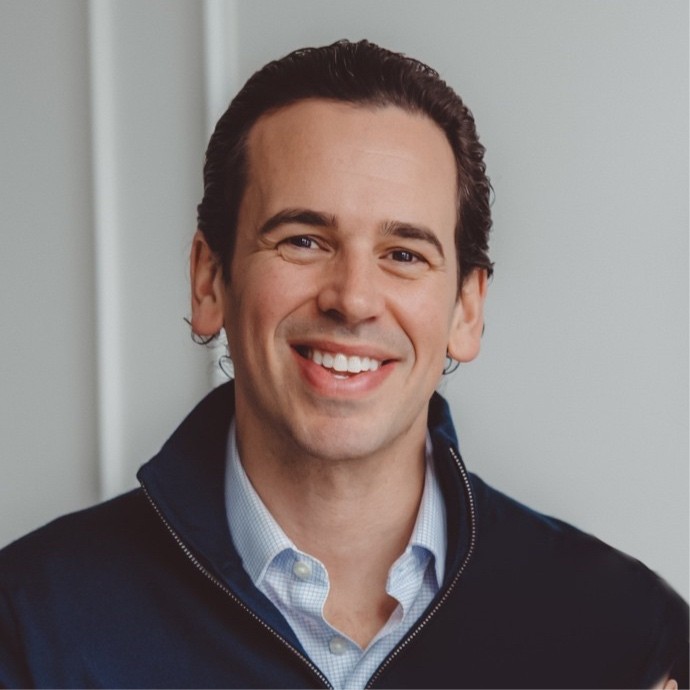
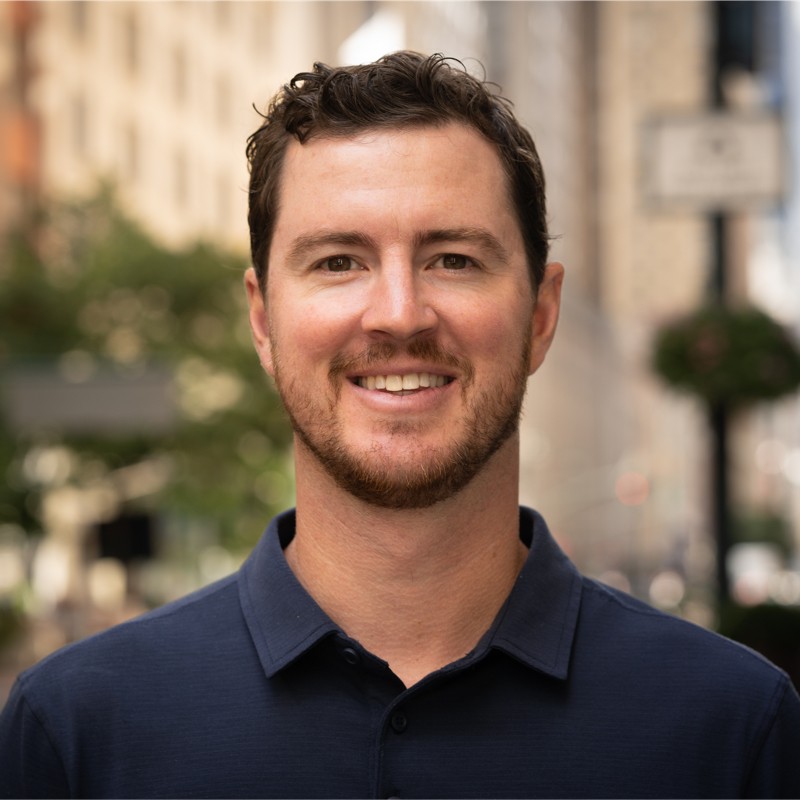
Spear Physical Therapy is a New York City-based practice founded in 1999 that pairs clinical excellence with a patient experience built around hospitality. Now at 80-plus locations across Manhattan, the boroughs, Westchester, Long Island, and New Jersey, Spear is the first two-time winner of the nation's top physical therapy practice, with its team serving as official physical therapists at the Rio and Tokyo Olympics and the JP Morgan Tournament of Champions. Every clinic is opened de novo rather than acquired, and every leader is promoted from within, keeping the brand and experience consistent as it scales.
We're very people focused, very culture focused, you know, and our our whole MO, if you will, is build our people and then open locations around them. So we're not gonna just grow for growth's sake. We wanna grow intentionally smart and around our people, give them opportunities. Yeah. One of the unique things about not only just de novo growth and never doing any m and a or anything like that is, like, we've never hired an outside leader. So when we open a clinic, we have put somebody through what's called our SFOP program, Spirit Future Leadership Program. It's a year long process. People apply in the company to become leaders, and they wanna either be a clinical director, they wanna lead in clinical services, they wanna take the next step in their career. And so everyone that becomes a clinical director or leader in our company goes through that. And then when the time comes for them to open a new clinic in a new area, they apply, and we have those leaders kind of ready to go.
Couldn't AI also be better about creating those hyper personalized programs with, a chat feature where they're like, I felt some pain doing this one. It's like, are you sure you're doing it right? I also wonder if patients or therapists would feel that that is, like, infringing on the personal aspect of it. I view it in a different way that it should aid in your clinical decision making, not make the decision for you. Yeah. And so, you know, if you say in the past, when you had a patient presenting and you weren't sure, you had to go find research articles, read all those research articles, understand those research articles, and then make a clinical decision. So, can AI take all of the information that it has, and say, Hey, in the past, three other senior therapists saw this same presentation, this is what they did, these are the results they saw. Now you make your decision. So, think it can help with some clinical decision makings. I don't think it should make the decision for you as a therapist, but I think it should, it can help in that sense, and hopefully improve outcomes as a result.
You feel like you'd do anything different, knowing what you know today about the the technology and what it can do? My first instinct is, you know, the scheduling and access and from a patient lens. Yeah. How do how do we get them scheduled with a physical therapist? In many cases, we have to refer them out through direct access laws. And in some cases, like, if we're referring to our neurologist, sometimes it's a six month wait. And it could just be a five minute conversation with a physician to be able to say, Hey, you don't even need to see a neurologist. And so, if I were to think about how do we address that, not only for physical therapy, but, you know, healthcare as a whole, how do we cut through those timelines and all these different friction points just to get yourself taken care of? That's like that is really, I think, how we can best leverage technology, especially AI.
As we've been evaluating, like, really, like, three different aspects of the EMR, the first definitely comes on, like, how do we connect not only the operating systems, whether it be our report out on Power BI, with our Salesforce, with our EMR, and how do we get them to talk together so we can make, like, really strong decisions? And I think, like, for us, adoption wise, I think on the administrative side, that's where it's a little bit easier. There's less kind of HIPAA constraints. But ultimately, there still is, if you wanna have that kind of interconnectivity, we need, like, the whole system and EMR to really, really, like, be invested in that. And our EMR holds a lot of the keys to to some of the, next steps in terms of AI adoption.
In the past, what they used to do is type their symptoms into Google, and then the WebMD worst case scenario would come up, and they'd Right. Think that was it. Now AI is working with them to almost create a diagnosis for them. So, when a patient is coming in, they've already done their research. They they pretty much know what's going on. Yeah. So, you, as a therapist, as as a provider, have to be very well aware of that and educated, and it changes your approach a little bit. It's much more of a conversation, we're in this together. Yeah. Moving forward, it's less, hey, let me tell you what's going on. Really cool. The ambient listening's been a really cool addition Yeah. To our practice. And one of the, I'll call it surprising results from it was because the therapist has to say out loud their clinical decisions and their clinical judgment, and what they're ruling in versus ruling out, it's building a lot more rapport and trust with the patient. Cause the patient's saying, Oh my gosh, this therapist really knows what's going on. He's really looking at me holistically.
Track your AI results