Conversations about the future of AI, with the builders building it.
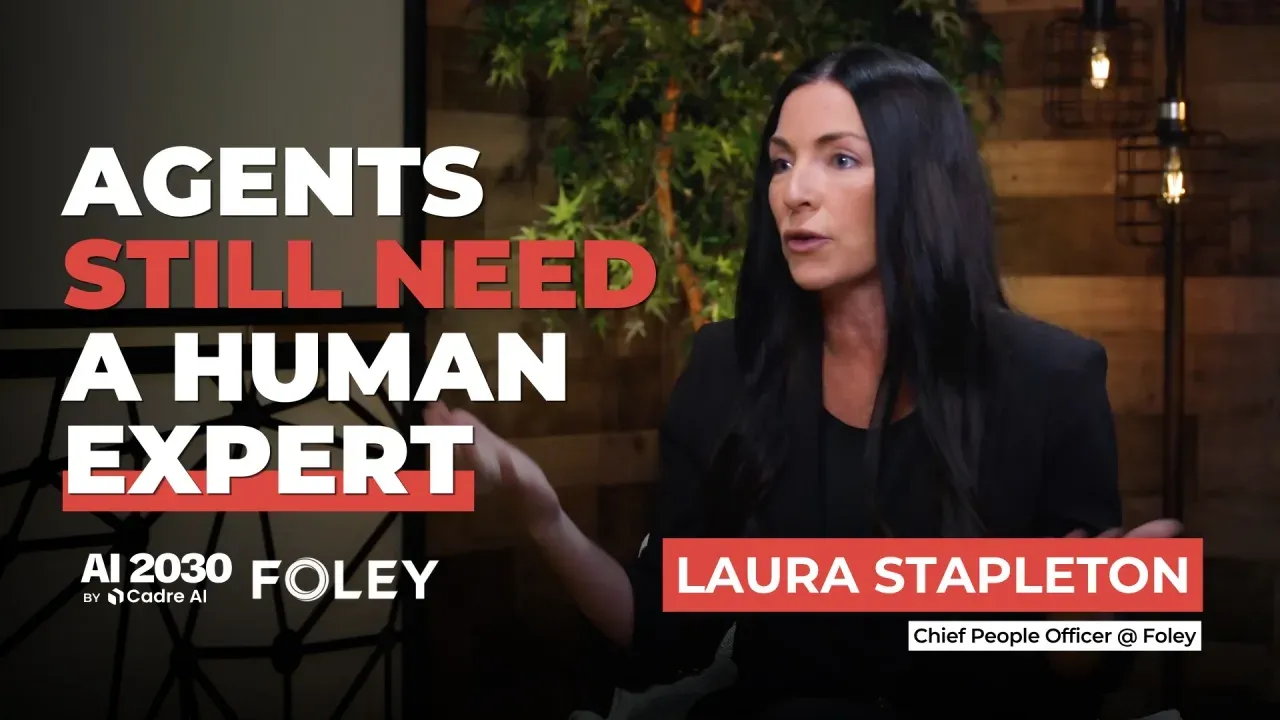
Who Owns Your AI Agents? [Ft Laura Stapleton, Foley]
Laura Stapleton joined Foley as Chief People Officer with a mandate she had never been handed: lead an AI transformation, not just run HR. Her answer is stewardship, assigning each agent to whoever owns that domain, regardless of title, and writing it into job descriptions.

How Do AI Agents Earn the Trust to Act on Your Behalf? [Ft. Devi Parikh, Yutori]
Devi Parikh ran generative AI as a senior director at Meta for eight years before leaving to build Yutori, where she's making AI agents proactive rather than reactive. The design choice that stands out: the first product, Scouts, asks for zero access to your context and only reads the public web. Trust gets earned before an agent touches your money, your logins, or your calendar.
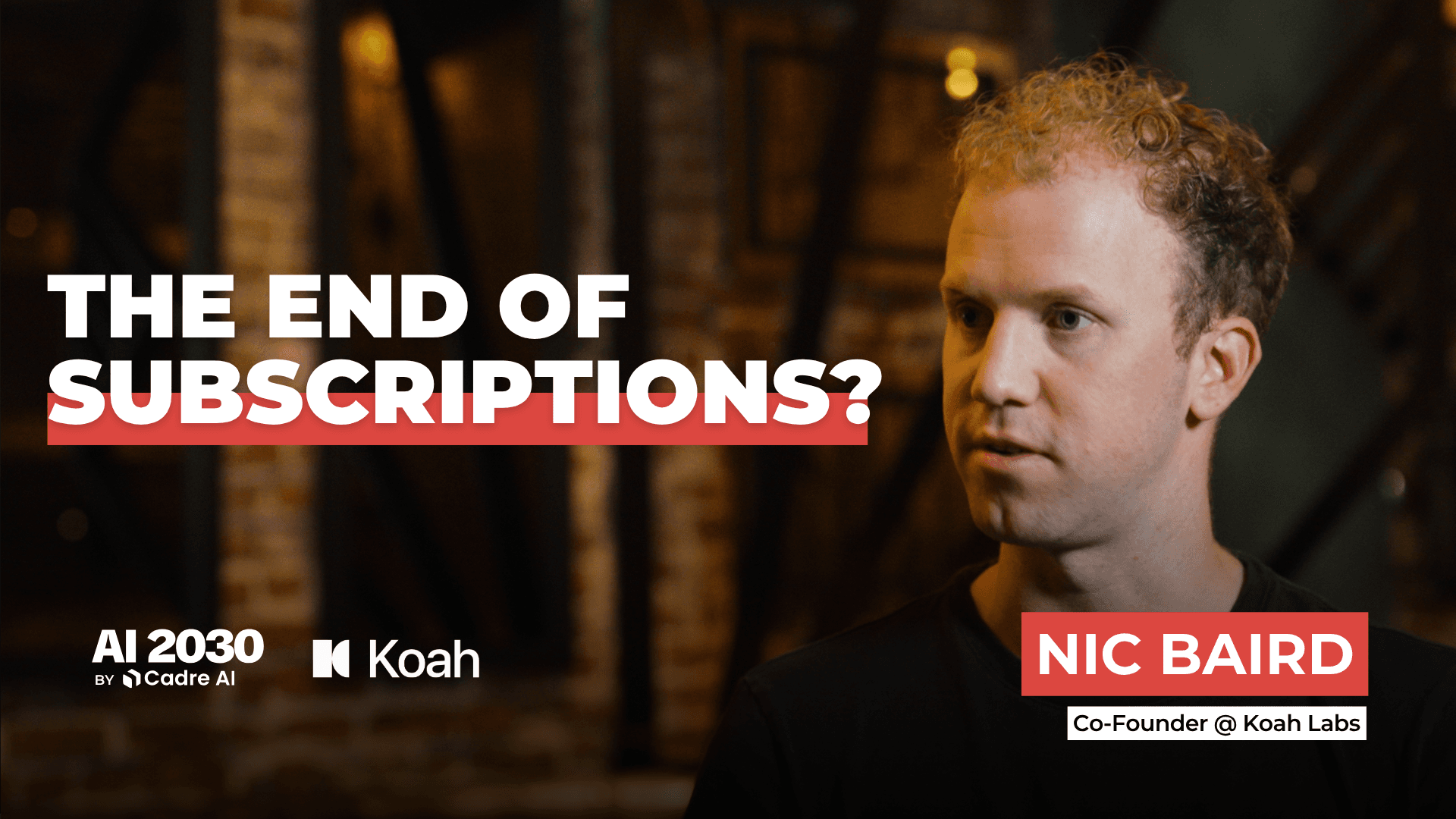
How Will AI Ads Reshape the Internet? [Ft. Nic Baird, Koah Labs]
Most AI apps treat ads as a tax on the product. Nic Baird, co-founder of Koah Labs, is betting the opposite: that at $2-3 per thousand queries, an AI app that refuses ads either paywalls its best features or dies. He tells Keith why Koah only serves an ad when it's unit-economic positive against token cost, and why relevance is the only defensible moat in this category.
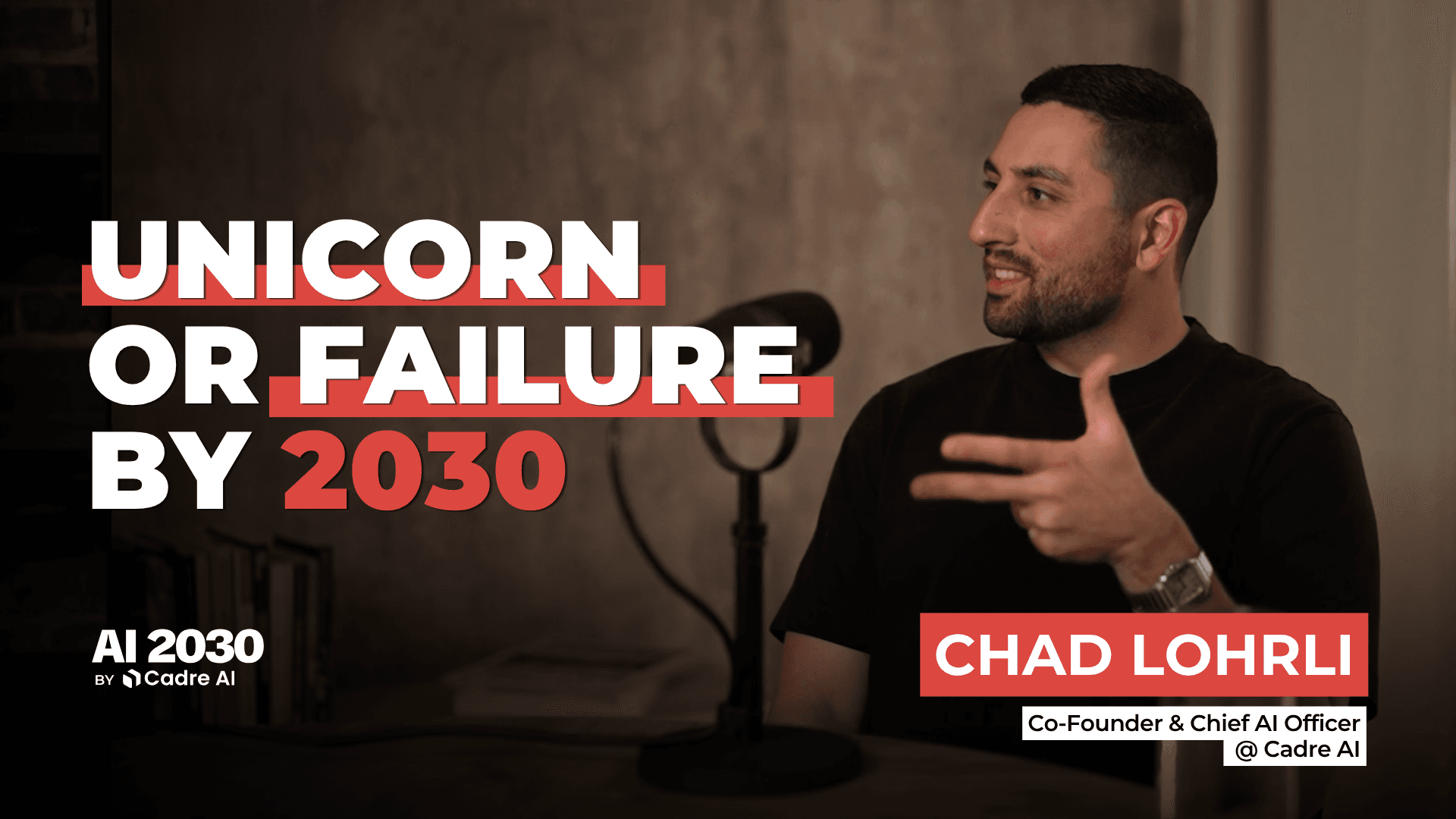
Where Will AI Consulting Be in 2030? [Ft Chad Lohrli, Co-Founder & Chief AI Officer]
What does it take to build an AI consultancy that's tracking for 3x revenue growth in year two, with a founder who thinks he's got a ten-year head start before anyone can catch up? Chad Lohrli, Co-Founder and Chief AI Officer at Cadre AI, walks Keith Jensen through the specific operating mechanics behind that growth
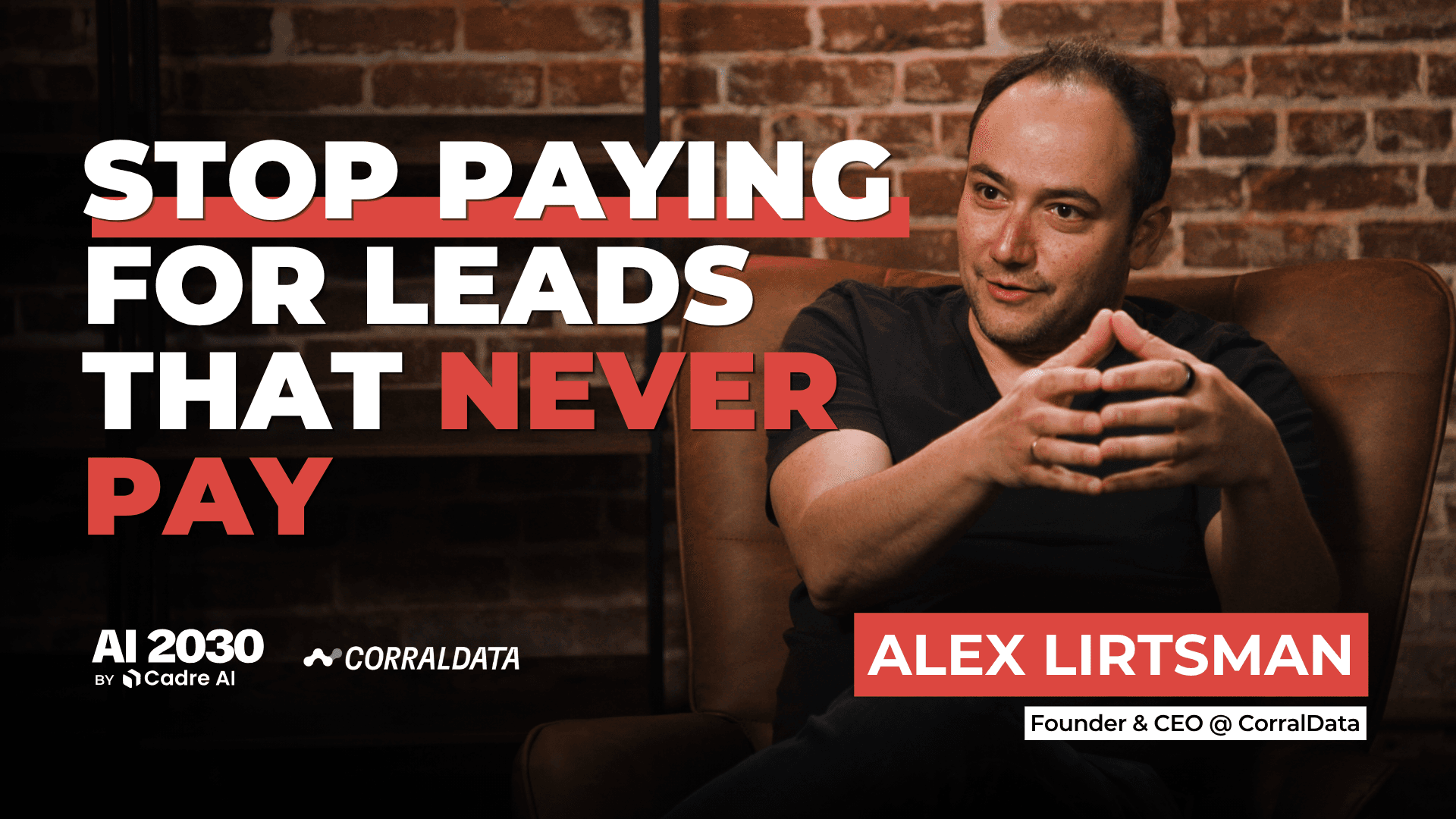
How Will AI Change Marketing Analytics? [Ft. Alex Lirtsman, CorralData]
Most attribution setups reward the click and the form fill. Alex Lirtsman, founder and CEO of CorralData, built his platform to reward the person who actually shows up and pays, then feeds that signal back to the ad platforms so bidding optimizes toward revenue instead of cheap leads.
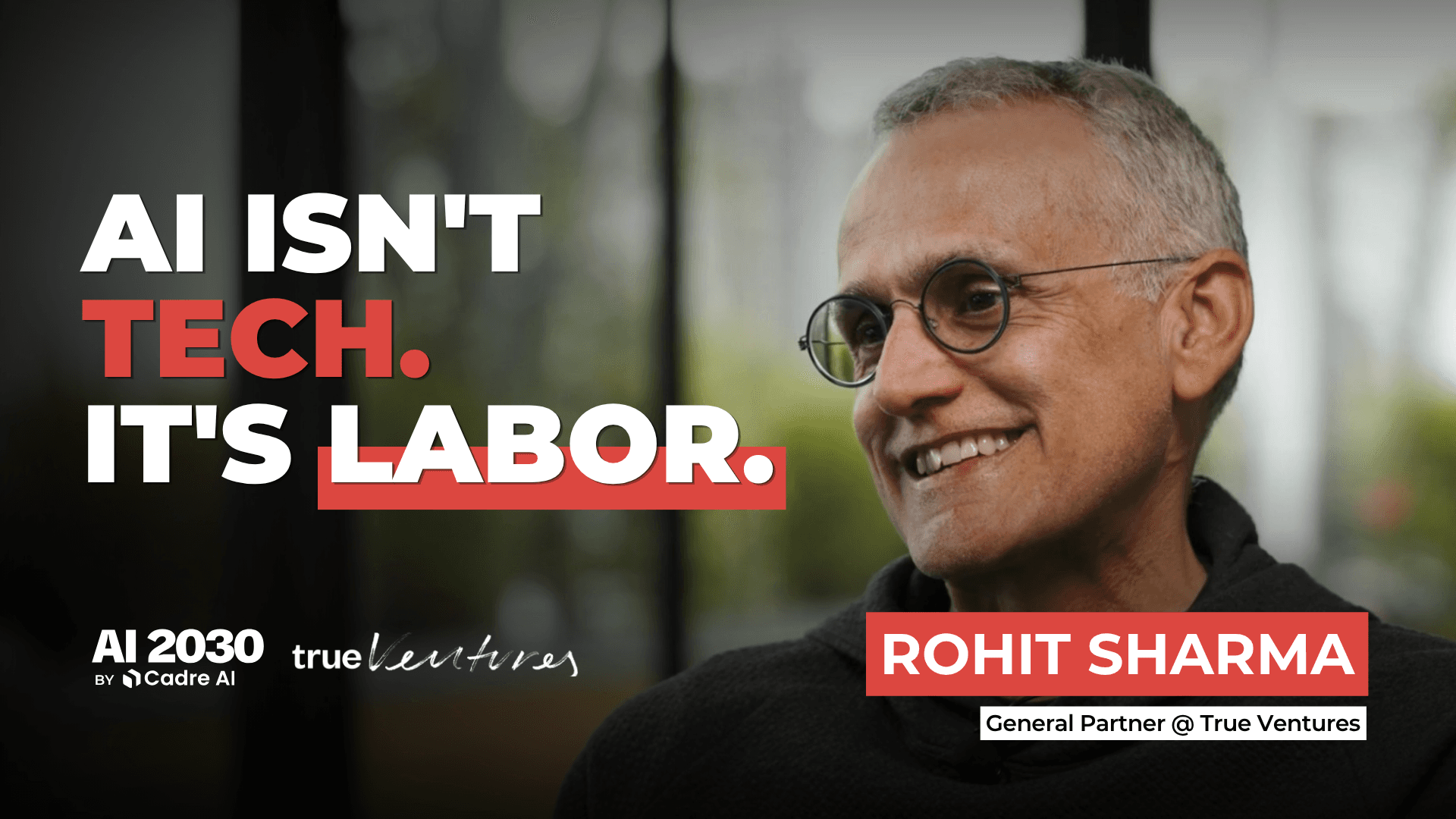
Why AI Isn't a Technology, It's a New Form of Labor [Ft Rohit Sharma, True Ventures]
Rohit Sharma spent his first decade in Silicon Valley building a company from two employees to 750 before it got acquired, then landed at True Ventures, where he's stayed for almost fourteen years without ever planning the next move. He tells Chad and Dhruv why he calls AI a new form of labor rather than a technology, why LLMs are Shannon's machines and not magic ones, and why founder vision and distribution, not technical execution, are the only things still scarce.

Is Outbound the Future of Hiring? [Ft. Ishan Gupta, Juicebox]
Inbound stopped being a signal the moment LLMs let candidates fire the same resume at a thousand companies at once. Ishan Gupta, CTO and Co-founder of Juicebox, argues the fix isn't better filtering of that flood but a shift back to outbound, where his agents read what someone has actually done to infer adjacent skills, tech stacks, and likely employers rather than matching keywords. He's just as clear about what Juicebox won't do: it replaces your sourcing software, not your ATS, never emails a candidate's work address, and stops the moment a recruiter takes over the relationship.

The Hidden Reason Most Enterprise AI Deployments Break Down [Ft. Binny Gill, Kognitos]
Most enterprise AI projects don't fail because the AI can't perform. They fail because nobody documented what the AI is actually supposed to do, or how it should behave when things get ambiguous. Binny Gill, former CTO of Nutanix and now CEO of Kognitos, spent five years solving that by making English the programming language for business process automation, with a proprietary interpreter that extracts precision from ambiguity rather than demanding it upfront, the same way a parent figures out what a toddler wants.

Is AI Actually Disrupting Venture Capital? [Ft. Will Quist, Slow Ventures]
Most VCs are chasing AI deals right now. Will Quist, Partner at Slow Ventures, thinks most of them are chasing the wrong thing. With somewhere around $1B deployed across pre-seed and seed, Will makes a direct case that the shift from client-server to SaaS was more economically disruptive than anything AI is doing to software today, and that building a defensible company in this environment requires the same fundamentals most founders skip.

What It Actually Takes to Build an AI Company [Ft. Francois Chaubard, Y Combinator]
Francois Chaubard co-created CS224D at Stanford with Richard Socher: the course that replaced the entire NLP curriculum two years after launch and still carries his name. He then spent nine years as a founder before closing a $60M enterprise deal at Focal. He is now a Visiting Partner at Y Combinator and a PhD researcher working on alternatives to backpropagation. He is not a generalist with opinions.

What Happens When AI Agents Replace Knowledge Work? [Ft. Jay Hack, ClickUp]
Jay Hack was building async coding agents before the term "agentic AI" existed in the mainstream, back when GitHub Copilot was the ceiling of ambition and everyone else was focused on IDE autocomplete. As Head of AI at ClickUp, he's now running one of the most ambitious agent bets in enterprise software, a platform that treats agents not as a feature, but as the primary way work gets done.

Is Physical AI the Next Frontier for Enterprise? [Ft. Sud Bhatija, Spot AI]
Over a million security guards in the US spend their days watching things happen. Sud Bhatija, Co-Founder and COO at Spot AI, is building the system that makes most of that unnecessary. In this episode, he breaks down how physical AI works at enterprise scale — from the edge-cloud architecture that enables real-time video analysis, to a three-tier multi-agent system that cuts false positives down to the point where automated responses via speakers and lights resolve security incidents 90% of the time with no on-site human intervention required.
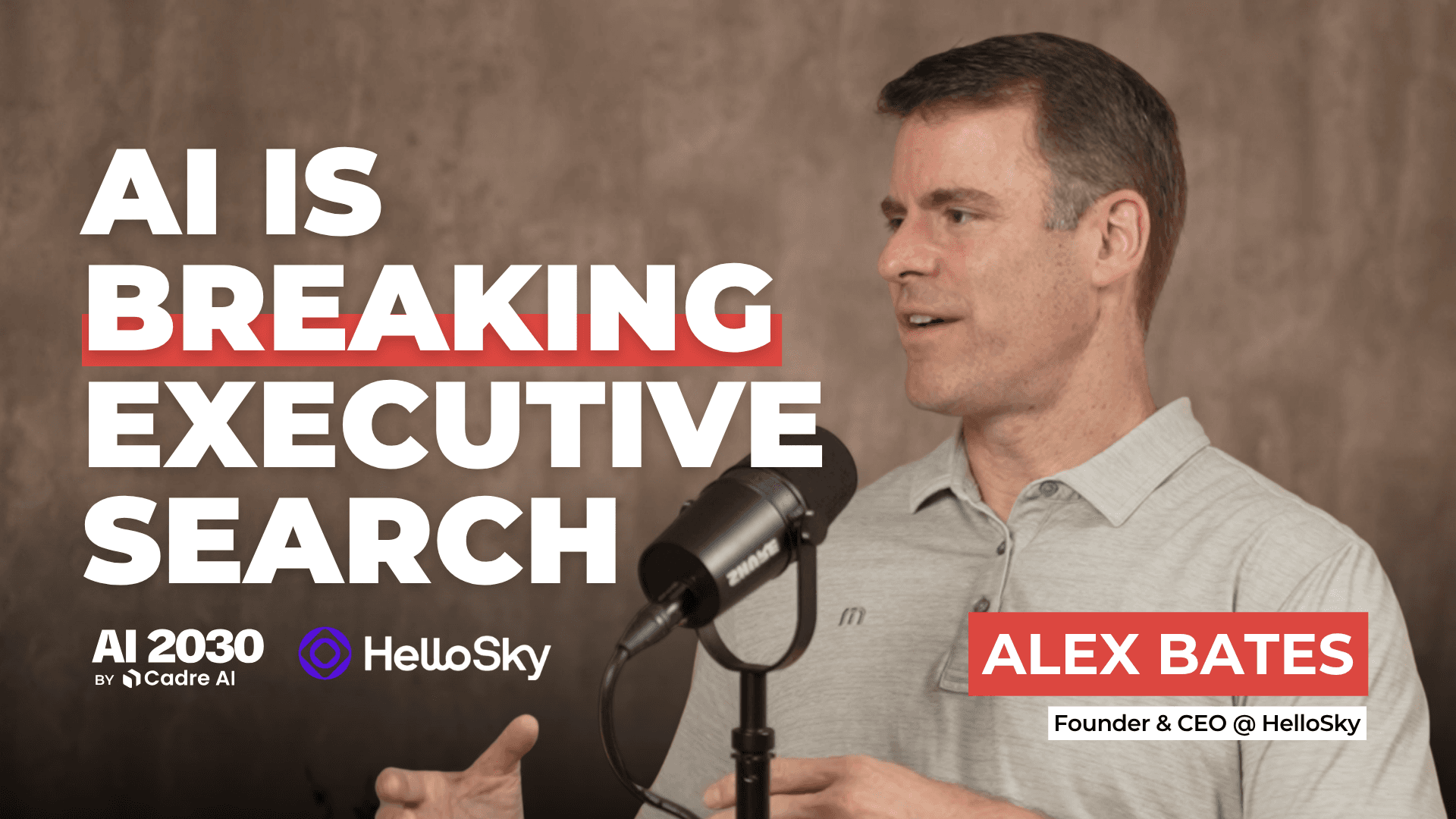
How Will AI Transform Executive Search? [Ft. Alex Bates, HelloSky]
Alex Bates studied artificial neural networks in middle school, founded Mtell to predict equipment failures at oil rigs and power plants, and has now applied that same thinking to executive search at HelloSky. His core argument cuts against the prevailing AI narrative: as LLMs scale, domain expertise and operating experience become more valuable, not less, because the decisions that actually move companies have never appeared anywhere on the internet for a model to train on.

Is MCP Actually Broken? The Truth About AI Agent Data Access [Ft. Gil Feig, Merge]
Most teams building AI agents are blaming MCP when their integrations fall flat. Gil Feig, co-founder and CTO of Merge, says that's the wrong diagnosis entirely — and he built the infrastructure layer that connects agents to enterprise systems to prove it.

How Do You Actually Ship AI-Generated Code to Production? [Ft. Chris Kelly, Augment Code]
The engineers most resistant to AI coding tools are not the junior ones. Chris Kelly, Head of Product at Augment Code, has watched senior engineers, people with 20 years of experience shipping production systems, be the last to adopt. The reason is not fear of job loss. They were trained to build deterministic systems where A plus B always equals C, and a non-deterministic model that occasionally writes wrong code breaks a contract they have never had to question.

Are Specialized Language Models the Future of AI? [Ft. Iddo Gino, Datawizz]
Enterprise AI spend on LLM APIs hit $8 billion in just the first half of 2025 — double all of 2024. Most of that spend is going to the same general-purpose models, and Iddo Gino thinks companies are building on a foundation that won't hold.

Why Can't AI Agents Pay for the Tools They Need? [Ft. Jim Nguyen, CEO, InFlow]
Every trust and security system in payments was built around one assumption: a human is on the other end. CAPTCHA, email confirmation, UI-based checkout flows — none of it works when the buyer is headless. That's the wall AI agents are running into right now, and it's not a model problem. It's an infrastructure problem.

How Does AI Eliminate Moats and Transform Competitive Advantage?[Ft. Dmitry Shapiro, CEO, MindStudio]
Traditional competitive moats collapse when anyone can replicate your product by afternoon. Dmitry Shapiro, CEO of MindStudio and former Google executive, explains why the ability to continuously refactor operations in 5-30 minutes matters more than what you initially build, and why the companies resisting this shift are already behind.

Why Do 90% of Enterprise AI Implementations Fail? [Ft. Eva Nahari, Former CPO, Vectara]
RAG isn't just another AI buzzword, it's the architectural foundation that determines whether enterprise AI delivers value or burns budget. Eva Nahari, former Chief Product Officer at Vectara and four-year venture investor, explains why separating data from models matters more than the models themselves, and why 90% of AI implementations fail at the execution layer, not the technology layer.
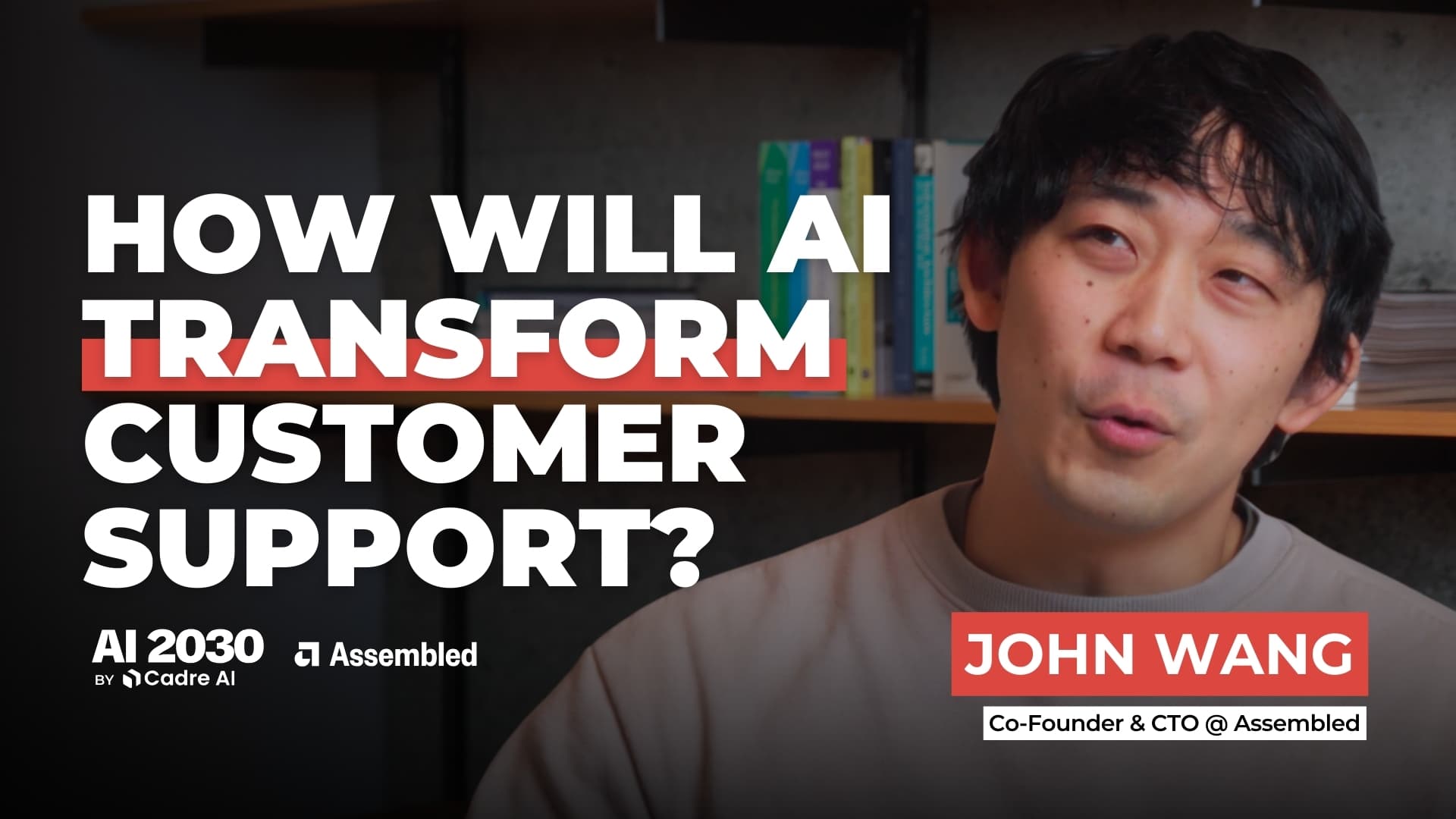
How Will AI Transform Customer Support? [Ft John Wang, Assembled]
Customer support exists to paper over product gaps. As AI handles more tier-one resolution, the question isn't whether automation replaces humans, but where human intervention becomes luxury versus necessity. John Wang, Co-founder and CTO at Assembled, outlines the execution challenges leaders overlook when deploying AI support systems.
Track your AI results